
Understanding Advanced Eye Treatments
The field of ophthalmology has witnessed remarkable advancements, particularly in the realm of eye care and surgery. At SNU Eye Clinic, we emphasize a patient-centered approach, integrating cutting-edge technology and expert knowledge to enhance our patients’ vision. Our clinic’s commitment to eye health means we not only focus on corrective procedures but also on comprehensive diagnostic tests that ensure customized treatment plans. When exploring options, check more source for detailed insight into our services and methodologies.
What are the Key Treatments Offered?
At SNU Eye Clinic, our extensive range of treatments is designed to address various vision issues, from common refractive errors to more complex ocular conditions. Key treatments include:
- Laser Vision Correction: Procedures such as LASIK and SMILE are performed to reshape the cornea, providing a long-term solution for nearsightedness, farsightedness, and astigmatism.
- Implantable Collamer Lens (ICL) Surgery: ICLs offer a reversible alternative for vision correction without altering the cornea. They are particularly beneficial for patients with thin corneas or high prescription.
- Toric ICL: This is specifically designed for patients with astigmatism, combining the benefits of ICL with astigmatism correction.
- Cataract Surgery: Utilizing advanced phacoemulsification techniques, we ensure minimal recovery time and improved outcomes.
- Corneal Treatments: Including cross-linking, which strengthens the corneal structure to prevent progression of keratoconus.
- Retinal Treatments: We address various retinal disorders, providing options like retinal detachment surgeries and advanced laser therapies.
Benefits of Personalized Vision Correction
Personalized vision correction is at the heart of our approach. Each patient’s eyes are unique, necessitating tailored solutions. Key benefits include:
- Custom Treatment Plans: Based on comprehensive diagnostic testing, we design individualized treatment plans that cater specifically to your vision needs.
- Improved Outcomes: Personalized treatments reduce the likelihood of complications and improve overall satisfaction rates among patients.
- Long-Term Vision Health: We not only correct vision issues but also provide insights into maintaining eye health for the future.
Understanding ICL and Toric ICL Procedures
Implantable Collamer Lens (ICL) procedures are gaining popularity as an effective means of vision correction. The ICL is surgically inserted into the eye, providing a functional lens that works in conjunction with the natural lens. Key points include:
- ICL Candidates: Ideal candidates often include individuals with high refractive errors or those who are not suitable for LASIK.
- Toric ICL Details: This option not only corrects nearsightedness or farsightedness but also astigmatism, offering a comprehensive solution for vision correction.
- Recovery Process: Patients typically experience rapid visual recovery, allowing them to resume normal activities swiftly.
Why SNU Eye Clinic is Leading the Way
With over 50,000 successful eye surgeries performed, SNU Eye Clinic stands as a pillar of excellence in eye care. Our dedicated team of specialists brings a wealth of knowledge and experience, ensuring the highest standards in patient care.
Exceptional Expertise with Over 50,000 Surgeries
Our surgeons are renowned for their precision and skill, having performed over 50,000 surgeries across various procedures. This extensive experience not only assures patients of their safety but also enhances the quality of care provided. Our surgical success rates are consistently high, contributing to positive patient outcomes and satisfaction.
Comprehensive Tests: Your Eye Health Insights
Understanding your eye health is crucial for effective treatment. At SNU Eye Clinic, we offer a comprehensive program featuring 52 detailed tests categorized into seven different areas. These specialized assessments include:
- Visual Acuity Tests: To determine how clearly you can see.
- Refraction Tests: To assess the need for corrective lenses.
- Corneal Topography: Mapping the curvature of your cornea to identify potential issues.
- Pupil Testing: Analyzing the reflexes for neurological insights.
- Optical Coherence Tomography (OCT): Providing detailed images of the retina and optic nerve.
- Field of Vision Tests: Checking for any loss of peripheral vision.
- Eye Pressure Measurement: Essential for glaucoma screening.
1:1 Vision Correction: Personalized Solutions
Our 1:1 approach to vision correction is designed to provide tailored solutions that fit individual patient needs. Each patient’s eyes and circumstances are different, and we prioritize understanding these nuances to deliver effective treatment. This personalized care extends to follow-up appointments, ensuring ongoing support and adjustments as needed.
Preparing for Your Consultation
Preparing for a consultation at SNU Eye Clinic can significantly enhance your experience and outcomes. Here’s what you should consider before your visit:
Essential Questions to Ask Your Ophthalmologist
It’s important to come prepared with questions during your consultation. Consider asking:
- What are the available treatment options for my condition?
- What should I expect during the procedure?
- What are the potential risks and complications?
- What is the recovery process like?
- How can I maintain my eye health post-treatment?
Documents to Bring for Your Visit
Having the right documentation can streamline your consultation process. Bring along:
- Your medical history and any relevant eye prescriptions.
- Insurance information, if applicable.
- A list of medications you are currently taking.
- Previous eye exam results, if available.
What to Expect During Your Eye Examination
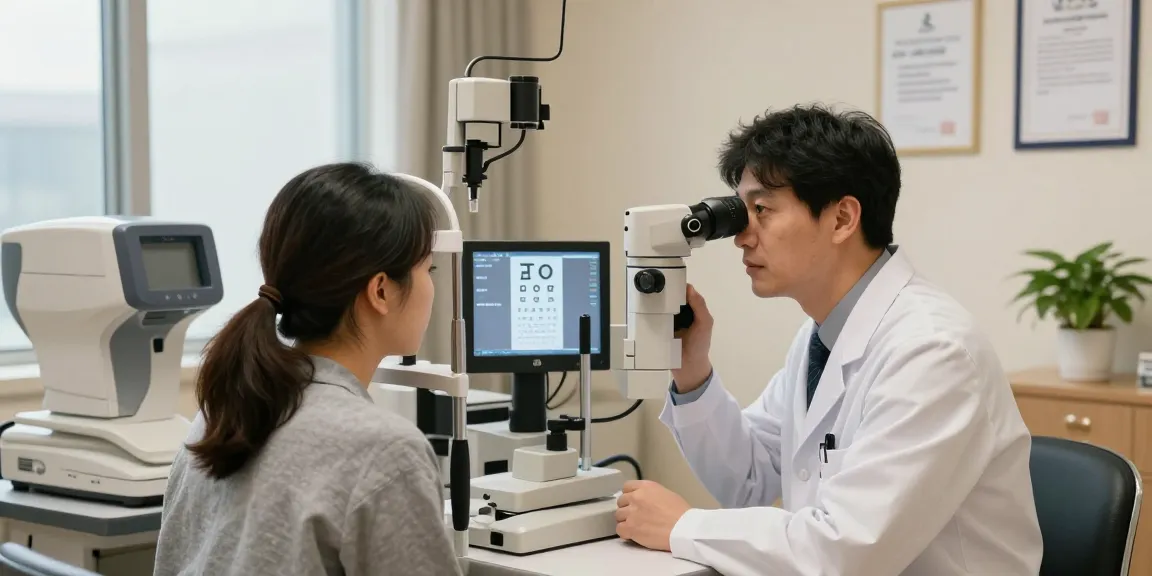
During your examination, you can expect a thorough evaluation of your eye health, which may include various tests to assess visual acuity, eye pressure, and overall eye condition. Our specialists are trained to make you feel comfortable and informed at every stage of the process.
Post-Surgery Care and Best Practices
Post-operative care is crucial for achieving optimal results after eye surgery. At SNU Eye Clinic, we provide comprehensive guidelines to aid your recovery.
Follow-Up Care: Ensuring Optimal Recovery
Regular follow-up appointments are essential to monitor the healing process. During these visits, our specialists will evaluate your progress and address any concerns you may have. It’s important to adhere to prescribed follow-up schedules to ensure the best outcomes.
Long-Term Eye Health Strategies
Maintaining eye health extends beyond surgical care. Implementing strategies such as:
- Regular eye examinations to catch any issues early.
- Protecting your eyes from UV exposure with quality sunglasses.
- Maintaining a balanced diet rich in vitamins a and c for eye health.
- Staying hydrated and managing screen time to reduce eye strain.
Recognizing Signs of Complications
It’s vital to be aware of signs that might indicate complications. Look for symptoms such as severe pain, sudden changes in vision, or unusual redness. If you experience any of these, it’s imperative to contact our clinic immediately.
Future Trends in Eye Care Technologies
The future of eye care is both exciting and promising, with ongoing innovations that are set to revolutionize the field.
Innovations in Eye Surgery Techniques for 2026
As we advance towards 2026, emerging techniques in eye surgery are focusing on enhancing precision and reducing recovery times. Innovations such as robotic-assisted surgery and more advanced laser technologies are making procedures safer and more efficient.
The Role of AI in Eye Health Monitoring
Artificial Intelligence (AI) is poised to transform eye health monitoring by providing real-time analyses of visual data and leveraging predictive analytics to identify potential problems before they arise. This technology will assist ophthalmologists in making more informed decisions regarding treatment.
Emerging Treatments You Should Know About
New treatments on the horizon include gene therapy for inherited retinal diseases and advanced prosthetics for individuals with severe vision loss. These developments signify a potential leap forward in restoring vision and enhancing the quality of life for patients.
What are the most common vision problems?
Common vision problems include refractive errors such as myopia (nearsightedness), hyperopia (farsightedness), astigmatism, and presbyopia (age-related vision changes). Each of these conditions can be effectively treated through various methods available at our clinic.
How do I choose the right eye clinic?
Choosing an eye clinic involves considering factors such as the expertise of the medical staff, success rates of procedures, available treatments, and patient testimonials. At SNU Eye Clinic, we pride ourselves on our comprehensive approach and patient satisfaction.
What should I expect during an eye examination?
During an eye examination, a series of tests will be conducted to evaluate your eye health. This may include vision tests, pressure checks, and mapping the curvature of your cornea.
How can I maintain healthy vision long-term?
Long-term eye health can be maintained through regular screenings, proper nutrition, protection against UV rays, and managing screen time effectively.
Are the advanced eye treatments at SNU safe?
Yes, our advanced eye treatments are performed by highly trained professionals using state-of-the-art technology, ensuring the highest safety standards.
